
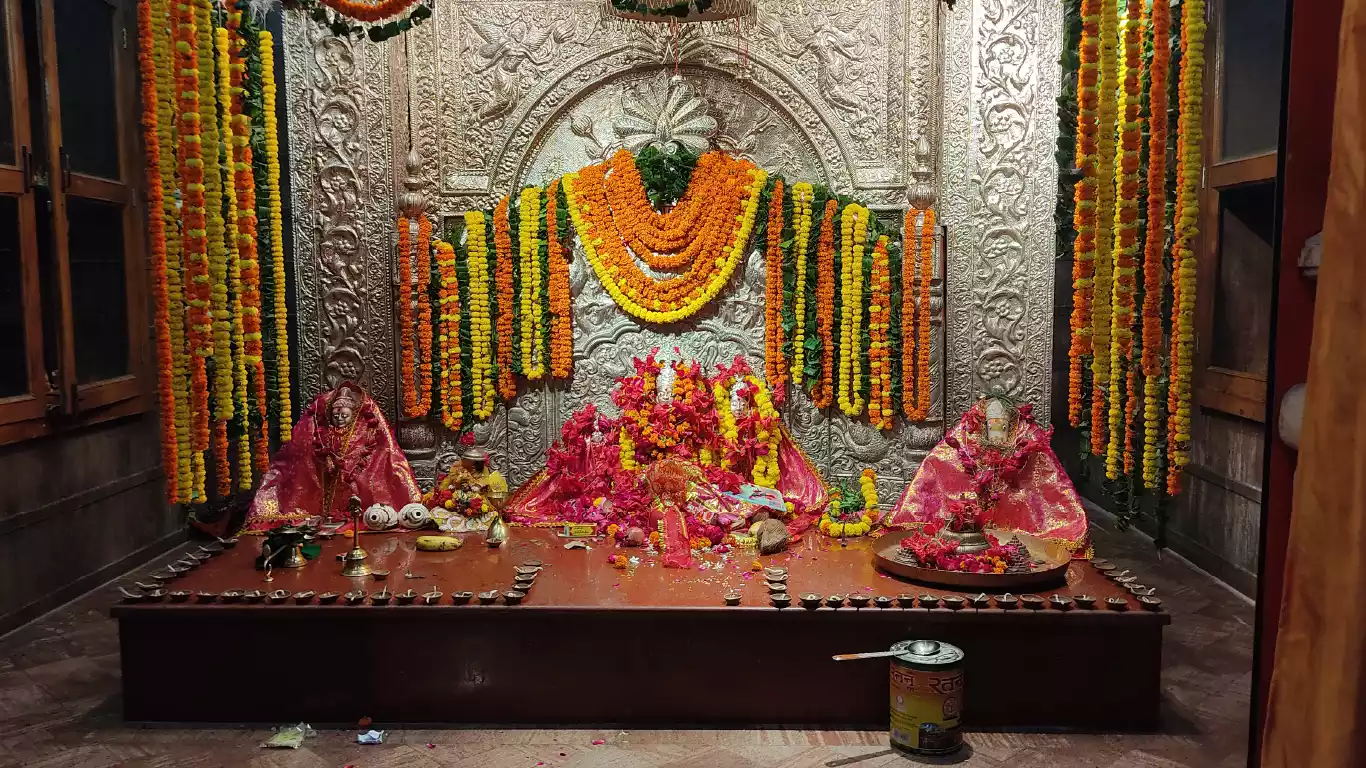
Peaceful Religious Places in Uttar Pradesh is India’s most concentrated sacred landscape — more holy cities, more sacred rivers, more ancient temples, and more living pilgrimage traditions per square kilometre than anywhere else on earth.
Most visitors know Varanasi, Ayodhya, and Prayagraj. But the most peaceful and most deeply sacred experiences in UP are often found at the destinations most pilgrims never reach.
This guide covers the most peaceful religious places in Uttar Pradesh — beyond the crowds, beyond the standard circuit, and into the genuinely quiet sacred India that still exists if you know where to look.
Peaceful Religious Places in Uttar Pradesh
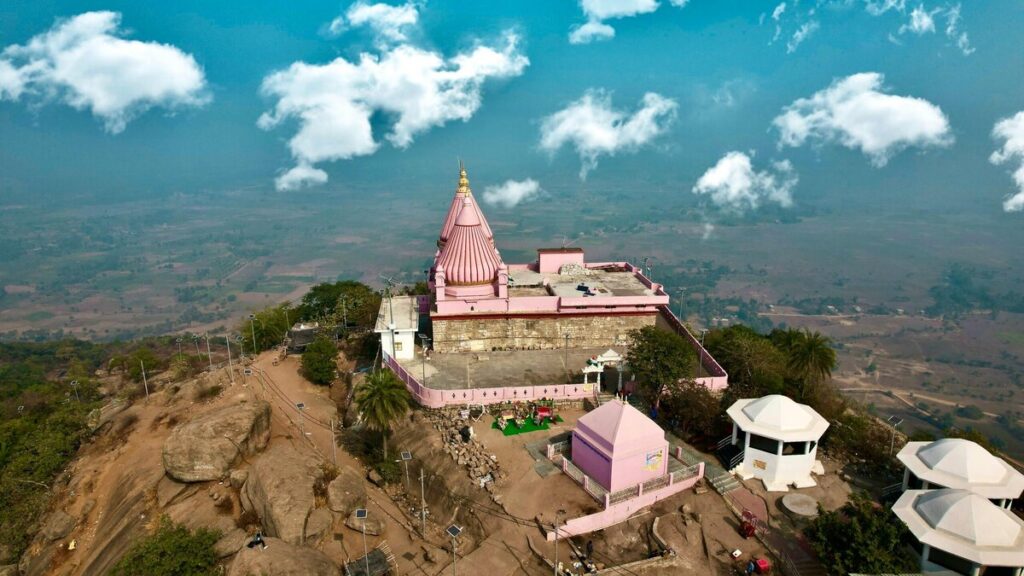
1. Naimisharanya — The Sacred Forest of the Rishis
Distance from Lucknow: 95 km | Drive time: 2 to 2.5 hours
The forest where 88,000 rishis gathered for the most sacred yajna in Hindu history. Where the Puranas were narrated for the first time. Where the Sudarshana Chakra of Lord Vishnu created the Chakra Tirth — believed to be the navel of the earth.
Naimisharanya receives almost no mainstream tourist traffic between pilgrimage dates — which makes every non-Purnima visit an extraordinary experience of genuine ancient sacred peace. The Chakra Tirth, the Lalita Devi Shakti Peetha, the Dadhichi Kund, and the Vyasa Gaddi combine to create the most theologically layered sacred circuit available in North India outside the three primary cities.
Best for: Devoted pilgrims, serious spiritual seekers, families completing the extended UP circuit, Purnima pilgrims.
Most peaceful timing: Early morning on a weekday between Purnima dates.
2. Chitrakoot — The Forest of Lord Rama’s Exile
Distance from Prayagraj: 130 km | Drive time: 2.5 to 3 hours
The living Ramayana landscape where Lord Rama, Sita, and Lakshmana spent eleven and a half years of their exile. The Mandakini river flowing through the sacred valley. The Kamadgiri hill worshipped as Lord Rama himself. The forest where the most intimate chapters of the Ramayana unfolded.
Chitrakoot is one of the most genuinely undeveloped sacred destinations in North India — no large tourist infrastructure, no commercial hotel strip, and the most intimate living Ramayana sacred landscape available anywhere in India.
The Kamadgiri barefoot parikrama at dawn. The Mandakini boat at sunrise. The Sati Anusuya Ashram in the deep forest. The Gupt Godavari cave with its underground sacred river.
Best for: Ram bhakti pilgrims, serious spiritual families, weekend spiritual travellers, devoted pilgrims wanting intimate Ramayana connection.
Most peaceful timing: Dawn parikrama on a non-festival weekday.
3. Vindhyachal — The Mountain Goddess of the Sacred Range
Distance from Varanasi: 75 km | Drive time: 1.5 to 2 hours
The Vindhyavasini Devi temple complex at Vindhyachal is one of the most powerful Shakti shrines in North India — and one of the most peacefully powerful sacred experiences available within easy reach of Varanasi.
The Vindhyavasini Devi herself — the presiding goddess of the Vindhya mountain range — is one of the most ancient and most revered goddess forms in the Hindu tradition. The sacred triangle at Vindhyachal — Vindhyavasini Devi, Ashtabhuja Devi, and Kali Khoh — forms a complete Shakti parikrama that draws devoted Devi pilgrims from across North India.
The Ganges flowing below the temple complex. The Vindhya hills rising above. The most powerful Shakti energy available within a day trip from Varanasi.
Best for: Shakti devotees, Devi pilgrims, Navratri visitors, Varanasi circuit extensions.
Most peaceful timing: Early morning darshan on weekdays. Navratri at Vindhyachal is extraordinary but significantly crowded.
4. Shringverpur — Where Rama Crossed the Ganga
Distance from Prayagraj: 40 km | Drive time: 45 minutes
One of the most completely overlooked Ramayana sacred sites in all of UP — the exact point where Lord Rama, Sita, and Lakshmana crossed the Ganga at the beginning of their forest exile.
Shringverpur is mentioned in the Valmiki Ramayana as the kingdom of Nishad King Guha — the tribal king who became one of Lord Rama’s most devoted friends during the exile. The sacred Ganga here, the ancient temple complex, and the extraordinary peace of a pilgrimage site that almost no mainstream tourist circuit reaches combine to create one of the most genuinely moving Ramayana sacred experiences available in UP.
Best for: Ramayana devotees wanting the complete exile geography, serious pilgrims extending the Prayagraj circuit, those drawn to the tribal devotion traditions of the Ramayana.
Most peaceful timing: Any morning on a non-festival weekday.
5. Sravasti — Where Buddha Spent 25 Rainy Seasons
Distance from Lucknow: 175 km | Drive time: 3 to 3.5 hours
One of the most significant Buddhist pilgrimage sites in India — and almost completely unknown outside serious Buddhist pilgrim circles.
Sravasti was the most important city of the ancient Indian kingdom of Kosala and the location where Gautama Buddha is said to have spent 25 of his 45 rainy seasons after enlightenment. The Jetavana monastery — gifted to Buddha by the merchant Anathapindika — was his primary residence during these years.
The Anandabodhi Tree growing at the original Jetavana monastery site. The international monasteries from Japan, China, Tibet, and Sri Lanka surrounding the ancient ruins. The complete peace of a UNESCO-significant archaeological site with almost no commercial tourism.
Best for: Buddhist pilgrims, heritage travellers, those completing the Buddhist circuit from Varanasi’s Sarnath, internationally-minded spiritual seekers.
Most peaceful timing: Any morning visit — Sravasti is rarely crowded.
6. Kushinagar — Where Buddha Attained Mahaparinirvana
Distance from Gorakhpur: 55 km | Drive time: 1 hour
Where Gautama Buddha achieved Mahaparinirvana — his final passing from this world — at the age of 80. One of the four holiest Buddhist pilgrimage sites in the world.
The Reclining Buddha statue — one of the most serene and most emotionally moving sacred images in India — at the Mahaparinirvana Temple. The Ramabhar Stupa marking the exact cremation site. The Matha Kuar Shrine. The international monasteries from Japan, Thailand, Myanmar, and Sri Lanka creating the most diverse international pilgrimage atmosphere of any UP sacred site.
Kushinagar is peaceful in a specific way — the peace of a place where the most significant departure in Buddhist history happened. Visitors consistently describe an unusual stillness at Kushinagar that they find nowhere else on the Buddhist circuit.
Best for: Buddhist pilgrims completing the four holy sites circuit, international spiritual travellers, those combining with Sarnath and Lumbini.
Most peaceful timing: Dawn visits to the Reclining Buddha before the main pilgrimage groups arrive.
7. Deogarh — The Ancient Temple Village
Distance from Jhansi: 33 km | Drive time: 45 minutes
One of the most extraordinary and most completely overlooked ancient temple complexes in North India — the 5th century Dashavatar Temple at Deogarh is considered the finest example of Gupta-period Vaishnavite temple architecture in India.
The Dashavatara panel — depicting the ten avatars of Lord Vishnu — carved in extraordinary detail on the temple walls. The Sheshashayi Vishnu relief panel. The Nara-Narayana panel. Archaeological beauty of the highest order in a completely peaceful village setting that receives almost no mainstream tourism.
Best for: Art historians, architecture enthusiasts, Vaishnavite devotees, serious heritage pilgrims.
Most peaceful timing: Any visit — Deogarh is consistently peaceful.
8. Mahoba — Chandela Heritage and Sacred Tanks
Distance from Jhansi: 62 km | Drive time: 1 hour
A Chandela dynasty heritage city famous for its extraordinary 10th to 12th century sacred tanks — Madan Sagar, Vijay Sagar, and Kirat Sagar — considered among the most architecturally refined sacred water bodies in North India.
The Chandela kings built sacred tanks as acts of religious merit — their engineering precision and the extraordinary reflections of the ancient temples in the still water create a sacred landscape unlike anything else in UP.
Rarely visited outside local pilgrimage circuits. One of the most genuinely peaceful heritage sacred experiences available in Bundelkhand.
Best for: Heritage enthusiasts, photography pilgrims, serious architectural travellers.
Most peaceful timing: Dawn when the temple reflections in the tanks are most extraordinary.
9. Shukratal — Where the Bhagavata Purana Was First Spoken
Distance from Muzaffarnagar: 25 km | Drive time: 30 minutes
Shukratal is the sacred site where Sage Shuka narrated the Bhagavata Purana to King Parikshit during the king’s final seven days before death.
The ancient banyan tree under which this narration is believed to have happened — one of the oldest living trees in India, still standing and still receiving pilgrims — is the most theologically significant natural object connected to the Bhagavata Purana tradition.
The sacred Ganga flowing beside the ancient tree. The atmosphere of extraordinary peace that pilgrims consistently describe as the most contemplative of any UP sacred site.
Best for: Vaishnavite pilgrims, Bhagavata Purana devotees, Krishna bhaktas, Ganga pilgrims.
Most peaceful timing: Early morning beside the sacred banyan tree.
10. Bithur — Where the Ramayana Was Composed
Distance from Kanpur: 22 km | Drive time: 30 minutes
Bithur on the sacred Ganga bank is traditionally identified as the location of Valmiki’s ashram — where the Ramayana was composed and where Sita gave birth to Luv and Kush after her departure from Ayodhya.
The Valmiki Ashram at Bithur. The sacred Ganga at one of its most peaceful stretches. The ancient Brahma Ghat. The Dhruva Tila — where young Dhruva performed his legendary meditation and received the boon of eternal sacred recognition.
For devotees of the Ramayana tradition and Sita Ma in particular — Bithur is one of the most intimate and most personally moving sacred sites in all of UP.
Best for: Ramayana devotees, Sita Ma pilgrims, Ganga devotees, Kanpur visitors extending their spiritual circuit.
Most peaceful timing: Dawn at the Brahma Ghat.
Connecting These Peaceful Sites to the Main UP Circuit
Most of these peaceful sacred sites connect naturally to the main UP pilgrimage routes:
Naimisharanya + Vindhyachal: Both accessible from Varanasi through our Varanasi Cab Service — Vindhyachal as a day trip and Naimisharanya via Lucknow.
Chitrakoot: Natural extension of Prayagraj from our Varanasi Ayodhya Prayagraj Tour — 130 km from Prayagraj.
Sravasti + Kushinagar: Buddhist circuit extension from Varanasi and Sarnath — manageable with 2 to 3 additional days on any UP sacred circuit.
Shringverpur: 40 km from Prayagraj — a natural 2-hour extension of the Prayagraj sacred circuit before departing for Chitrakoot or Varanasi.
For complete Varanasi Tour Package options and extended UP circuit planning, visit our package page.
Smart Tips for Peaceful UP Religious Places
Visit on weekdays between major festival dates. Every site on this list transforms from peaceful to crowded during Navratri, Purnima dates, and major Hindu festivals. Weekday visits between these dates deliver the most genuine sacred peace.
Arrive at dawn. Every sacred site in UP is most peaceful in the first 90 minutes after sunrise — before the main pilgrimage groups arrive. The most experienced UP pilgrims consistently plan their first visit to every major site for dawn timing.
Pre-book transport for remote sites. Chitrakoot, Naimisharanya, Sravasti, and Kushinagar are not easily accessible without a pre-booked verified cab. Last-minute transport arrangements at these remote sacred sites are genuinely difficult during peak pilgrimage season.
Combine with the main circuit — never in isolation. Each of these peaceful sites delivers its full significance when preceded by the main sacred circuit. Naimisharanya after Ayodhya and Prayagraj. Chitrakoot after Varanasi and Ayodhya. Sravasti after Sarnath. The theological connections between sites deepen the experience at each one.
FAQs
Q1. Which is the most peaceful religious place in Uttar Pradesh?
Naimisharanya for Hindu pilgrims — the most theologically layered and least commercially developed major sacred site in UP. Sravasti for Buddhist pilgrims — the most complete and most peacefully atmospheric Buddhist site accessible from the Varanasi circuit
Q2. Which peaceful UP religious site is closest to Varanasi?
Vindhyachal — 75 km, 1.5 to 2 hours. A natural day trip extension of any Varanasi visit that adds one of the most powerful Shakti shrines in North India to the circuit.
Q3. Can TripCosmos arrange transport to these peaceful sacred sites?
Yes — completely. Our Varanasi Cab Service covers Vindhyachal, Chitrakoot, Naimisharanya, and all other UP sacred circuit destinations. Get details instantly on WhatsApp for specific routing and pricing.
Q4. Which peaceful UP site is best for families with children?
Chitrakoot — the most child-engaging of all the peaceful sacred sites. The Kamadgiri parikrama through the Ramayana forest, the Mandakini boat, and the Gupt Godavari cave adventure create the most complete family sacred experience available in UP outside the three primary cities.
Q5. Can TripCosmos plan a complete extended UP sacred circuit including these peaceful sites?
Absolutely. Chat on WhatsApp for instant booking — share your duration, group size, specific interests, and priority sacred sites. Our team builds the complete extended UP circuit including peaceful sites as a seamless multi-city booking.
Uttar Pradesh’s most peaceful sacred places — ancient forest shrines, hidden Ramayana landscapes, forgotten Buddhist monasteries, and sacred rivers that have been receiving prayers since before history was written. Chat on WhatsApp for instant booking and TripCosmos plans your complete peaceful UP sacred journey instantly.
Call / WhatsApp: 9336116210 | Website: www.tripcosmos.co



Comments are closed.